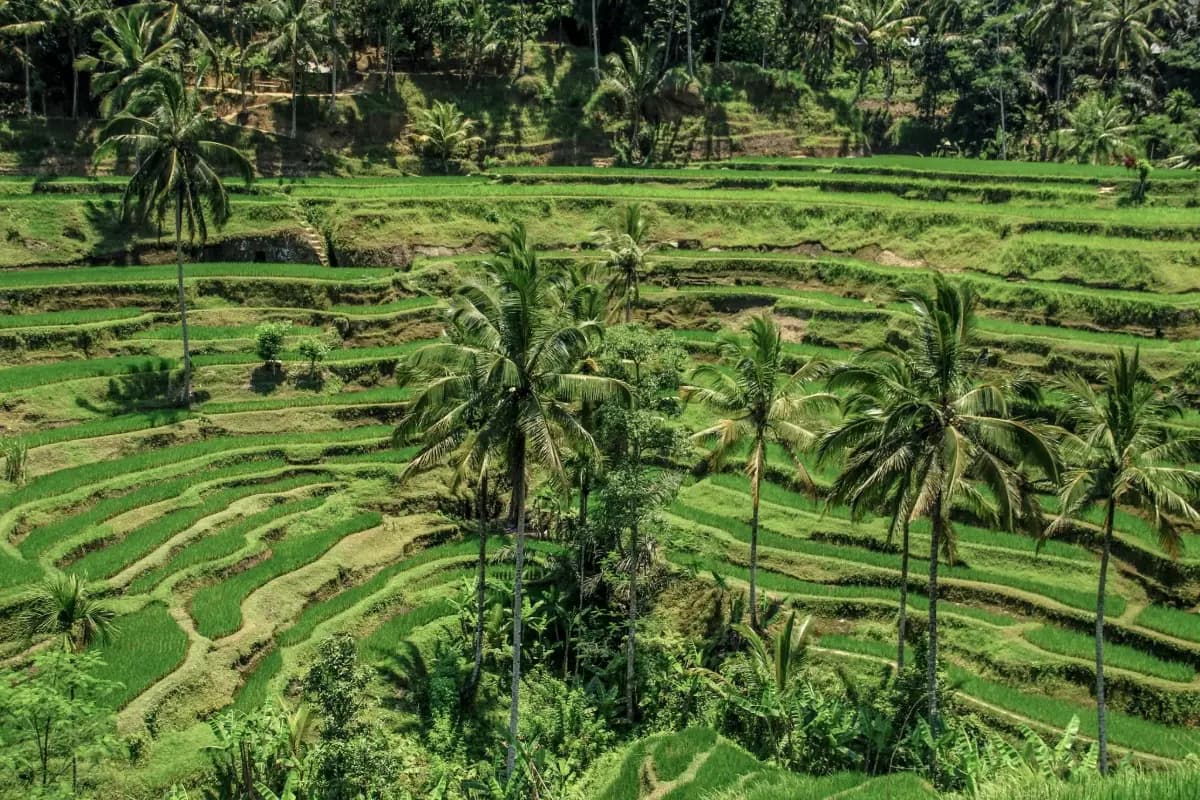
Rice terrace Bali is known for its stunning landscapes, and some of the best places to experience it are Jatiluwih and Sidemen. Jatiluwih offers wide, UNESCO-recognized rice fields with breathtaking views, while Sidemen provides a quieter and more authentic countryside atmosphere. Both are perfect if you’re looking for peaceful green scenery away from the crowds.
This article will guide you through the best rice terraces in Bali to visit during your trip. Here’s a complete guide to every rice terrace in Bali worth exploring.
What You Are Actually Looking At
The rice terraces in Bali are more than just beautiful landscapes, they are the result of a long-standing system that blends community, culture, and spirituality.
When you visit some of the best rice terraces in Bali, you’re not just seeing nature, but a living system that has been carefully maintained for generations.
How the Subak System Works
Subak is Bali’s traditional irrigation system, but it’s more than just moving water from one place to another. It’s a community-based system where farmers work together and make decisions collectively.
Water flows from the mountains through canals to each rice field fairly, ensuring that every farmer gets what they need.
Tri Hita Karana and the Meaning Behind the Fields
The rice fields are guided by the philosophy of Tri Hita Karana, which focuses on balance between people, nature, and spirituality. Farming here isn’t only about growing food, but also about respecting the land and maintaining harmony through rituals and traditions.
The Spiritual Side of the Landscape
Rice farming in Bali is deeply connected to belief and tradition. There are water temples that help regulate irrigation, and small shrines in the fields dedicated to Dewi Sri, the goddess of fertility.
Each stage of planting and harvesting is accompanied by ceremonies, which is why visiting these areas is considered one of the best things to do, even during the rainy season in Bali, when the fields are at their most lush and vibrant.
The Rice Growing Cycle and What Visitors See in Each Phase
The rice fields in Bali are always changing, following the natural cycle of the rice plant, which usually takes around 3 to 6 months.
When you visit places like the Jatiluwih rice terrace, you’ll notice how the landscape looks different depending on the stage of growth, each one offering its own kind of beauty.
- Preparation & Irrigation (The Mirror Phase)
At the beginning, the fields are freshly plowed and filled with water. The surface reflects the sky and surrounding trees like a mirror, creating a calm and very photogenic view. - Early Growth (The Neon Green Phase)
Once the rice is planted, the fields slowly turn into bright green layers. Within a few weeks, the entire area feels fresh and alive, with neatly lined rows of young rice plants. - Ripening Stage (The Golden Phase)
As the rice matures, the color shifts from green to golden yellow. The fields start to look like soft waves moving in the wind, marking one of the most beautiful moments to visit the best rice terraces in Bali. - After Harvest (The Resting Phase)
After harvesting, the fields turn brown as the leftover stalks dry out. It may look simpler, but this stage shows a more authentic side of village life, where you might see ducks roaming the fields and farmers preparing the land for the next cycle.
Bali’s Major Rice Terraces Compared
Each rice terrace area in Bali has its own character, from iconic and lively to quiet and untouched. Here’s a simple guide to help you choose what fits your travel style:
Tegalalang Rice Terrace
One of the most well-known spots near Ubud, Tegalalang is famous for its steep and layered views. It’s very photogenic, but also quite busy, with swings, cafes, and plenty of visitors throughout the day.
Jatiluwih Rice Terrace
If you’re looking for something more expansive and peaceful, Jatiluwih offers wide-open landscapes surrounded by mountains. The atmosphere feels more natural and less commercial, and it’s a great place to see the traditional irrigation system still in use.
Ceking Rice Terrace
The Ceking rice terrace is the most recognizable part of Tegalalang, often featured in photos with its dramatic, multi-layered design. It’s perfect for a quick visit and that classic Bali view, though it can get crowded.
Sidemen Rice Terrace
For a quieter and more authentic experience, the Sidemen rice terrace is a great option. With Mount Agung in the background and fewer tourists around, it offers a slower, more peaceful side of Bali.
Munduk Rice Terraces
Up in the highlands of North Bali, Munduk has a cooler climate and a slightly misty atmosphere. The rice fields blend with jungle paths, waterfalls, and coffee plantations, making it ideal for nature lovers.
Pupuan & Belimbing Rice Terraces
These areas are less visited and feel like hidden gems. The terraces are beautifully arranged, and the distance from main tourist routes means you can enjoy them in near silence.
Other Areas Worth Exploring
Rendang in Karangasem offers stunning views with Mount Agung nearby, while Sayan combines river valleys with more exclusive surroundings. In Canggu and Pererenan, you can still spot rice fields, although they’re gradually being replaced by new developments.
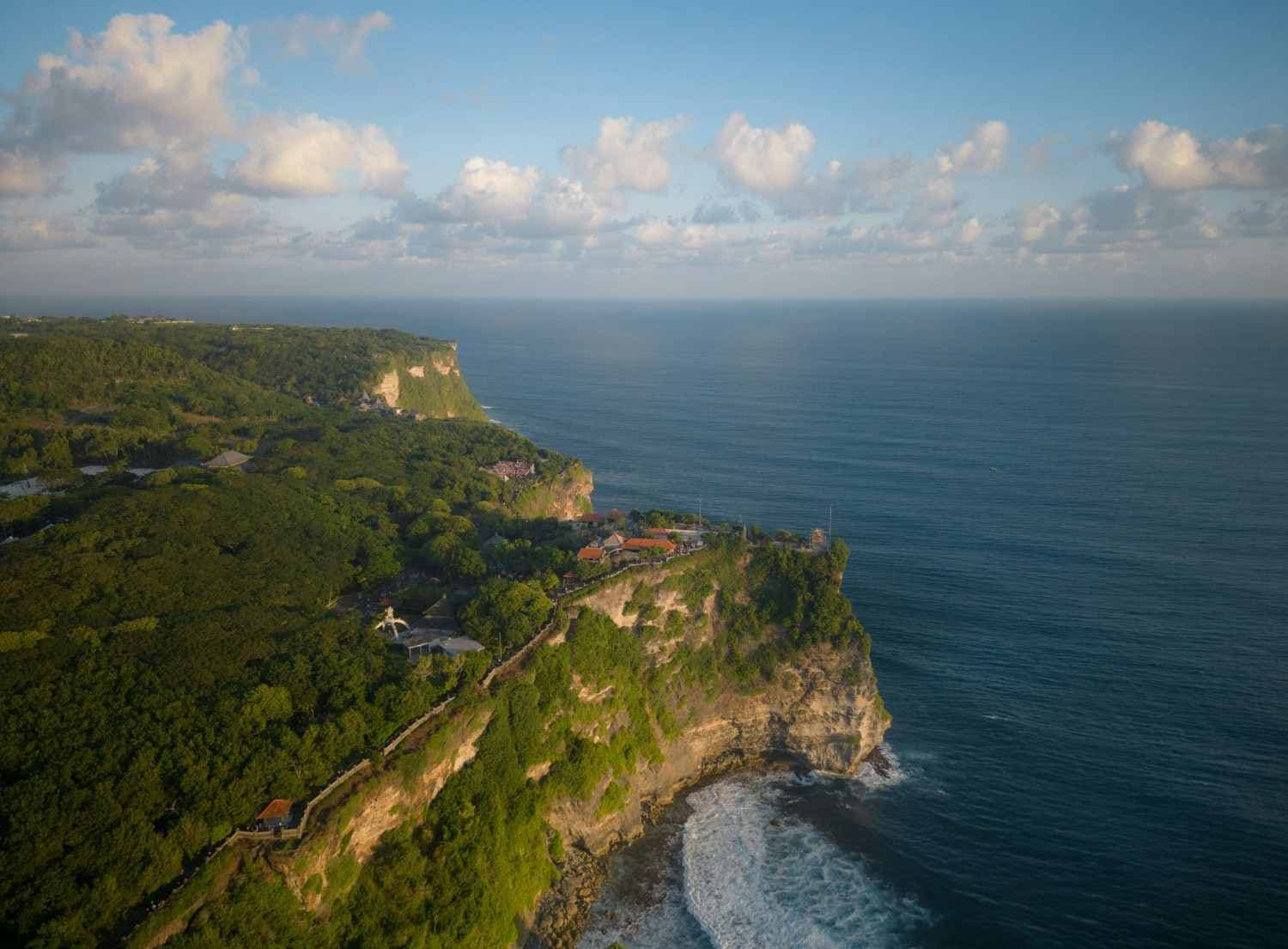
If you’re heading south, you can pair your trip with a visit to Uluwatu Temple, one of the highlights when exploring things to do in south Bali. It’s also worth considering where to stay in south area if you want to balance coastal views with easy access to other parts of the island.
Which Rice Terrace Matches Your Travel Style
The Efficient Photographer: Tegalalang & Ceking
If your main goal is to capture iconic views in a short time, Tegalalang is one of the easiest rice terrace Bali spots to visit. The steep, layered fields are very photogenic, and there are plenty of cafes where you can relax while enjoying the scenery. Just keep in mind, it can get quite crowded.
The Active Explorer: Jatiluwih
For those who enjoy walking or cycling, Jatiluwih offers a more immersive experience. The area is wide and open, with well-marked trails that let you explore the landscape at your own pace. It’s a great choice if you want to see the true scale of Bali’s rice fields.
The Soul Searcher: Sidemen & Munduk
If you’re looking for peace and quiet, Sidemen and Munduk provide a more intimate atmosphere. Here, the rice fields are part of everyday life, not just a tourist attraction. Surrounded by mountains and forest, the setting feels calm, natural, and perfect for slowing down.
The Off-the-Beaten-Path Traveler: Pupuan & Belimbing
For a more untouched experience, head to Pupuan or Belimbing in West Bali. These areas are less visited, with clean, open landscapes and very few crowds. It’s a place where you can experience Bali in a more genuine and unfiltered way.
How to Plan Your Visit
Best Time to Visit Each Terrace
- Tegalalang & Ceking: Try to arrive before 8:00 a.m. The early light creates beautiful rays through the coconut trees, and it’s still quiet before the crowds arrive.
- Jatiluwih: The best time is early morning (8:00–10:00 a.m.) or late afternoon (3:00–5:00 p.m.). Since the area is very open, avoiding midday helps you stay comfortable.
- Sidemen & Munduk: Mornings are usually the clearest, especially for mountain views. In the afternoon, a light mist often rolls in, giving the landscape a softer, more atmospheric feel.
Best Seasons to Visit
- April – May & September – October: The rice fields are at their greenest and most vibrant.
- June – July: Harvest season begins, turning the fields into warm golden tones.
- Rainy Season (November – March): The scenery stays lush, but paths can get slippery. It’s best to check the weather, as clouds can cover the views.
Getting There
- From Ubud: Tegalalang is about 20 minutes away, while Jatiluwih takes around 1.5 hours.
- From Canggu/Pererenan: Jatiluwih is about 1 hour 15 minutes. Tegalalang can take around 1 hour if you leave early.
- From South Bali (Kuta, Seminyak, Nusa Dua): Expect around 2–2.5 hours, depending on traffic. Hiring a car with a driver is often the most comfortable option.
What to Wear and Bring
- Clothing: Wear comfortable shoes with good grip, as the paths can be narrow and slippery. Light, breathable clothes work best.
- Essentials: Bring sunscreen, a hat, water, and mosquito repellent, especially for afternoon visits.
- Budget: Entrance fees usually range from IDR 25,000 to 50,000. It’s helpful to carry small cash for parking or small donations along the way.
Photography Tips
- Tegalalang (Narrow Valley): Use a wide-angle lens to capture the layered terraces, or portrait mode to highlight their texture.
- Jatiluwih & Sidemen (Wide Landscapes): Focus on the scale of the fields. Including people, like farmers, can help show how vast the area is.
- Details: Don’t forget the small elements, rice grains, flowing water in irrigation channels, or offerings placed in the fields, which add a deeper story to your photos.
Visiting Respectfully in a Working Landscape
Bali’s rice fields are not only places to visit, but also active farms and sacred spaces, so it’s important to be respectful while you’re there:
- Stay on the paths: Walk only on the designated trails or edges of the fields to avoid stepping on young rice plants or damaging the irrigation system.
- Respect sacred spots: You’ll often see small offerings or shrines (pelinggih). Don’t touch or step over them, as they hold spiritual meaning for the local community.
- Keep it clean & be mindful: Take your trash with you, and if you want to take close-up photos of farmers, always ask politely first.
What the Fields Leave With You
Exploring a rice terrace in Bali is more than just visiting a scenic spot, it’s about understanding the culture, rhythm, and traditions that shape the island. Each terrace offers a different experience, but all leave you with a deeper appreciation for Bali’s connection between nature and daily life.
After your journey through the fields, continue your Bali experience with a relaxing visit to Tropical Temptation Beach Club. Make your reservation through the website and enjoy a different side of the island, where ocean views and laid-back moments complete your trip.