Temples in Bali offer more than beautiful architecture and picturesque views. From ancient stone carvings and towering pagodas to sacred springs and dramatic oceanfront settings, each temple tells a story about the island’s spiritual beliefs, history, and traditions.
Whether you are interested in Balinese Hindu culture or simply want to explore its most remarkable landmarks, visiting these sacred places can add a different perspective to your holiday.
Here are 18 Hindu temples in Bali worth including in your itinerary, with Uluwatu saved for the final stop.
18 Best Temples in Bali You Should Visit
Bali has thousands of temples, ranging from small village shrines to impressive religious complexes.
While each has its own spiritual significance, some stand out for their history, architecture, natural surroundings, and cultural importance.
1. Besakih Temple (Pura Besakih)
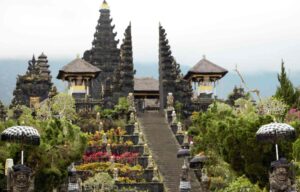
Located on the slopes of Mount Agung in Karangasem, Besakih Temple is widely regarded as the largest and holiest temple complex in Bali. Often called the Mother Temple, it is a major spiritual centre for Balinese Hindus.
The complex consists of multiple temples, with Pura Penataran Agung serving as its main sanctuary. Its elevated location also offers impressive views of the surrounding mountains and countryside.
Walking through Besakih gives visitors an opportunity to appreciate traditional Balinese architecture while learning about the island’s religious traditions.
2. Ulun Danu Beratan Temple
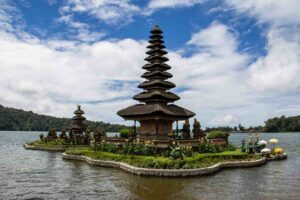
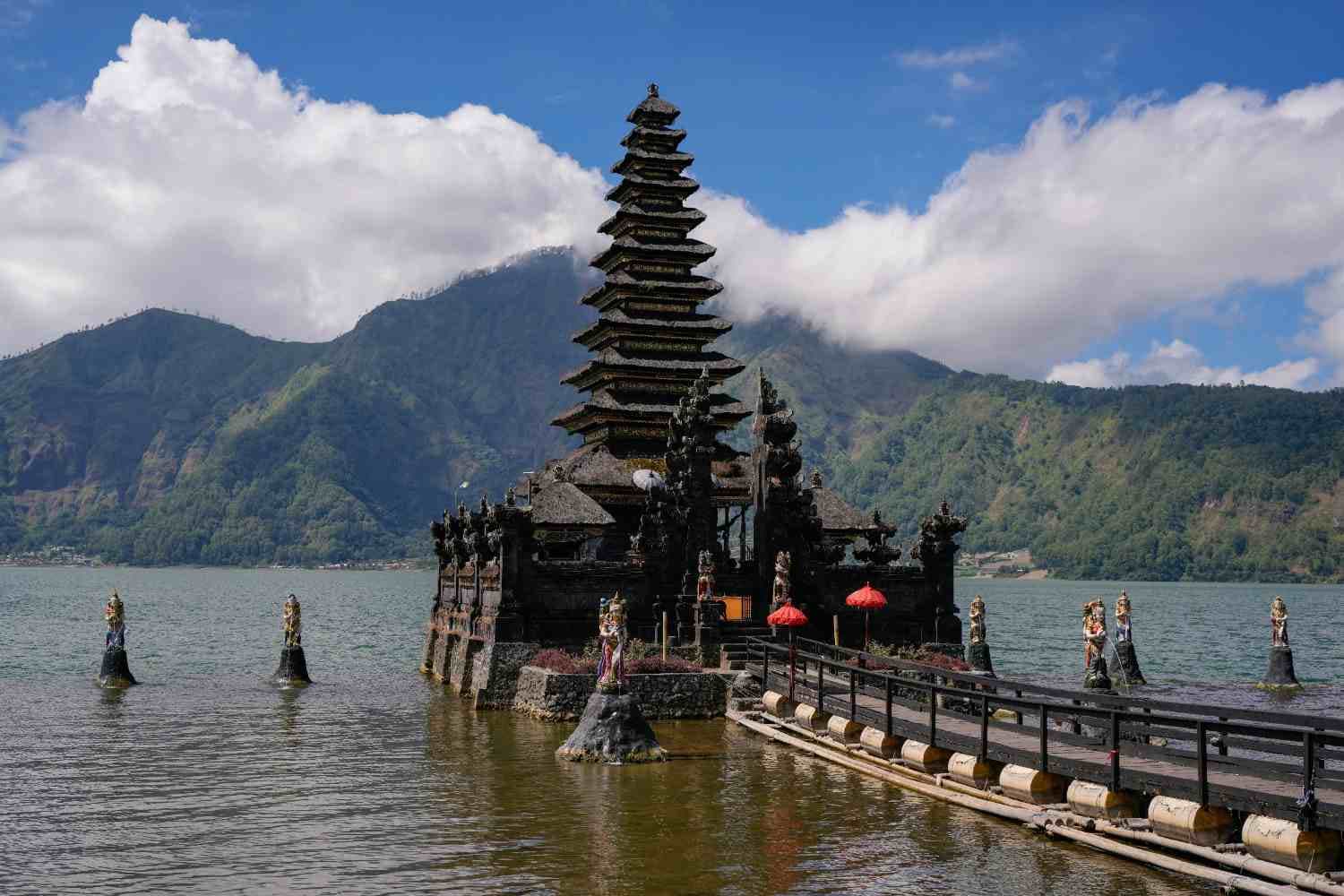
Few temples in Bali are as recognisable as Ulun Danu Beratan. Situated beside Lake Beratan in the cool highlands of Bedugul, this beautiful water temple appears to float on the lake when the water level is high.
The temple complex is dedicated to Dewi Danu, the goddess associated with water, lakes, and rivers. Its multi-tiered meru roofs create a striking contrast against the surrounding mountains.
Morning visits are particularly appealing, when the lake often looks peaceful and the mountain atmosphere feels refreshingly cool.
3. Tanah Lot Temple
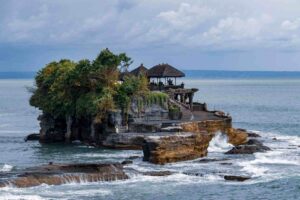
Tanah Lot is one of the most famous temples in Bali, particularly among travellers looking for beautiful sunset views.
Built on a rocky formation just off the coast of Tabanan, the temple creates an iconic silhouette against the Indian Ocean. Its name is commonly interpreted as Land in the Sea, reflecting its distinctive location.
The temple is traditionally associated with the revered Hindu priest Dang Hyang Nirartha and is believed to date back to the 16th century.
4. Tirta Empul Temple
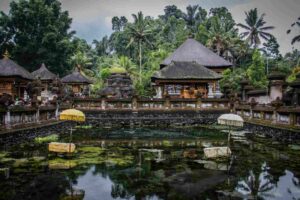
For travellers interested in Balinese spiritual traditions, Tirta Empul is one of the most fascinating Hindu temples in Bali.
Located in Tampaksiring, this sacred water temple is famous for its natural springs and purification pools.
The water is used in a traditional cleansing ritual known as melukat, which is practised by Balinese Hindus.
The temple dates back to 926 AD and remains an important place of worship today.
5. Lempuyang Temple (Pura Luhur Lempuyang)
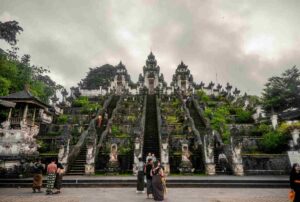
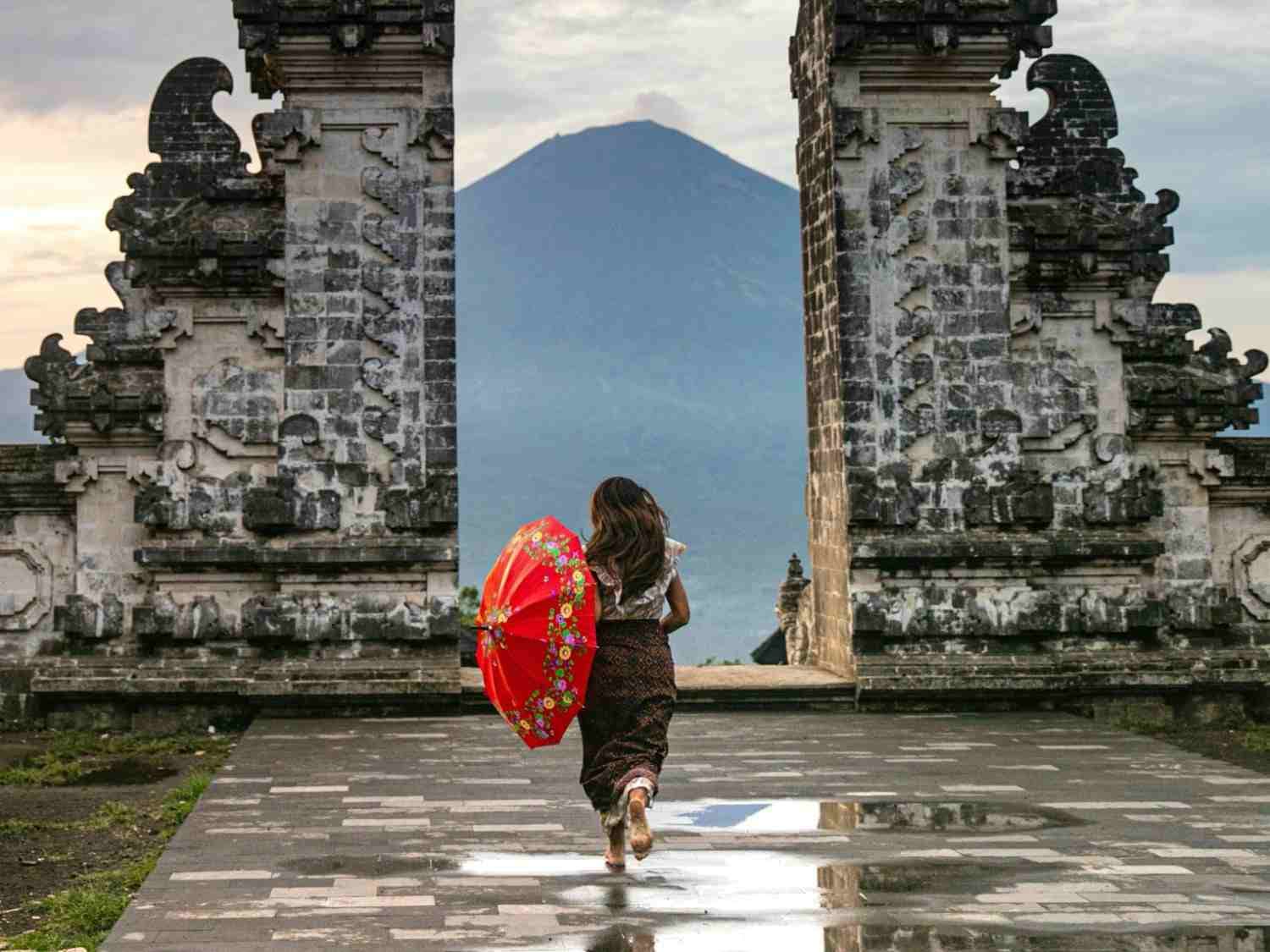
Lempuyang Temple has become internationally recognised for its famous split gateway, often called the Gate of Heaven.
Located on the slopes of Mount Lempuyang in East Bali, this sacred temple complex offers spectacular views of Mount Agung. On clear mornings, the mountain creates a dramatic backdrop behind the traditional stone gateway.
Beyond its photographic appeal, Pura Luhur Lempuyang is one of Bali’s important directional temples and forms part of the Sad Kahyangan Jagat, a group of six major sacred temples.
Reaching the upper temple involves a challenging climb of approximately 1,700 steps, making this destination particularly appealing to travellers who enjoy combining cultural exploration with physical activity.
6. Taman Ayun Temple
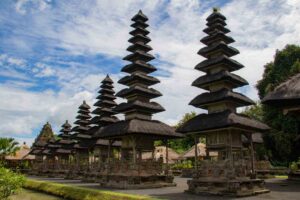
Taman Ayun Temple offers a different atmosphere from Bali’s coastal and mountain temples.
Located in Mengwi, this historic royal temple is surrounded by beautiful gardens, moats, and traditional Balinese architecture.
Its multi-tiered meru shrines create an elegant setting that reflects the architectural traditions of the former Mengwi Kingdom.
Taman Ayun also has an important connection to Bali’s traditional water management system.
It is included in UNESCO’s Cultural Landscape of Bali Province, which recognises the relationship between water temples, agriculture, and the subak irrigation system.
7. Goa Gajah
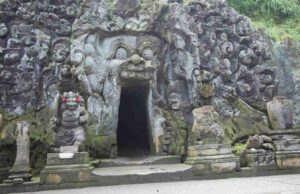
Despite its name, Goa Gajah is not a temple dedicated to elephants. Instead, it is an ancient archaeological and religious site known for its distinctive cave entrance.
The entrance features a dramatic carved stone face, making it one of the most recognisable historical landmarks near Ubud.
Dating back to the ancient Balinese period, the site reflects both Hindu and Buddhist influences.
Inside the cave, visitors can find sacred symbols and religious elements, while the surrounding grounds feature bathing pools, stone structures, and lush greenery.
Goa Gajah is a rewarding stop for anyone interested in Bali’s archaeological heritage and ancient spiritual traditions.
8. Gunung Kawi Temple
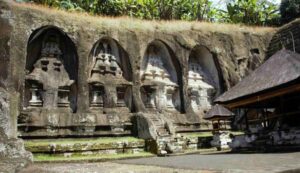
Gunung Kawi is one of Bali’s most impressive archaeological sites, particularly for its unusual rock-cut architecture.
Situated in a lush river valley in Tampaksiring, the complex features ten monumental shrines carved directly into the surrounding rock cliffs. These structures are believed to be royal memorials associated with the ancient Warmadewa Dynasty.
The journey to the main complex involves descending hundreds of steps through tropical greenery and rice terraces.
Unlike the more familiar temple courtyards, Gunung Kawi offers a chance to explore Bali’s ancient history through monumental stone architecture and its natural surroundings.
9. Ulun Danu Batur Temple
Another remarkable water temple worth visiting is Ulun Danu Batur, located in the Kintamani highlands.
The temple is closely connected to Lake Batur, which plays an important role in Bali’s traditional agricultural water system.
Its spiritual significance extends beyond the surrounding communities, making it one of the island’s important water temples.
The complex offers views of the surrounding highlands and Mount Batur, creating a peaceful setting for cultural exploration.
It is also associated with the UNESCO-recognised Cultural Landscape of Bali, which highlights the important relationship between religious traditions and the island’s agricultural environment.
10. Kehen Temple
If you want to explore another historic temple away from Bali’s busiest tourist attractions, Pura Kehen in Bangli deserves a place on your itinerary.
This ancient temple is built along the southern slopes of Bangli Hill and is surrounded by a peaceful natural setting.
Pura Kehen is particularly interesting for its historical inscriptions, including records dating back to the 12th century. These historical references provide valuable insight into the development of religious life in ancient Bali.
11. Goa Lawah Temple
Goa Lawah is one of Bali’s most distinctive sea-facing temples. Located in Klungkung, this sacred complex is built around the entrance of a cave inhabited by thousands of bats.
The cave itself is considered sacred in Balinese Hindu belief, making it an important part of the temple’s spiritual identity.
Traditional stories also associate the cave with Naga Basuki, a mythical serpent believed to maintain cosmic balance.
The combination of religious architecture, natural formations, and coastal scenery makes Goa Lawah particularly interesting for travellers looking for something different.
12. Batuan Temple
Batuan Temple is a historic village temple known for its intricate stone carvings and traditional Balinese architectural details.
Located in the village of Batuan, this temple has strong historical connections to the ancient Balinese kingdom. An inscription associated with the area dates back to 1022 AD.
Its traditional entrance gateways, guardian statues, shrines, and detailed ornaments provide a closer look at the craftsmanship behind Balinese religious architecture.
13. Taman Saraswati Temple
Situated in the heart of Ubud, Taman Saraswati Temple is one of the most visually appealing temples in the area.
Dedicated to Dewi Saraswati, the Hindu goddess of knowledge, learning, and the arts, the temple is famous for its decorative stone carvings and beautiful lotus ponds.
A pathway leading through the water creates an elegant approach to the temple’s traditional entrance. The surrounding atmosphere feels especially charming, offering a peaceful contrast to Ubud’s busy streets.
14. Sakenan Temple
Located on Serangan Island in South Denpasar, Sakenan Temple is an important seaside sanctuary with a long-standing connection to Balinese religious traditions.
The temple is associated with Mpu Kuturan, an influential religious figure in Bali’s history. Traditionally, it also served as a place where members of agricultural communities prayed for prosperity and protection for their crops.
Today, Pura Sakenan remains an active religious centre and an important part of Serangan’s cultural identity.
Its coastal setting also offers an interesting perspective on how Balinese Hindu traditions connect religious life with the surrounding natural environment.
15. Dalem Ped Temple
For travellers planning a trip to Nusa Penida, Pura Dalem Ped offers an opportunity to explore another important part of Balinese Hindu spirituality.
Located in Ped Village on the island’s northern coast, this sacred temple complex is one of the most significant pilgrimage destinations in the area.
The temple is closely associated with Ratu Gede Mecaling, a powerful figure in local Balinese beliefs. Worshippers traditionally visit the complex to seek protection and blessings.
16. Mengening Temple
Mengening Temple is a historic water temple in Tampaksiring, offering a quieter alternative to some of Bali’s more popular purification sites.
The temple is associated with the ancient reign of King Marakata in the 11th century. It is situated in the Pakerisan River valley, where natural springs supply its bathing pools and fountains.
Water plays an important role in the temple’s spiritual traditions, particularly in purification ceremonies.
17. Gunung Kawi Sebatu Temple
Gunung Kawi Sebatu is another beautiful water temple in Gianyar, offering a more tranquil atmosphere surrounded by tropical greenery.
The complex is known for its natural springs, water pools, traditional shrines, and carefully maintained gardens. Water from its springs also plays an important role in local religious ceremonies and traditional agricultural irrigation.
The temple is dedicated to Vishnu and is closely associated with the spiritual significance of water in Balinese Hindu traditions.
Compared with some of the island’s more popular tourist attractions, Gunung Kawi Sebatu can feel like a refreshing cultural escape.
18. Uluwatu Temple

No list of famous temples in Bali would be complete without Uluwatu Temple.
Known locally as Pura Luhur Uluwatu, this iconic sea temple sits dramatically on a limestone cliff overlooking the Indian Ocean. Its location makes it one of the most spectacular religious landmarks in South Bali.
Beyond its architecture and spiritual importance, Uluwatu Temple is particularly famous for its sunset views and traditional Kecak Fire Dance performances.
The dance takes place in an open-air amphitheatre, where performers bring scenes from the Ramayana to life through rhythmic chanting, dramatic movements, and fire.
For the best experience, consider arriving in the late afternoon. This gives you time to explore the temple grounds before enjoying the sunset and cultural performance.
Keep your belongings secure around the resident monkeys, and remember that the temple remains an active place of worship.
If you are planning to explore the surrounding area, you can also check our guide to Uluwatu Temple and the best things to do in Uluwatu.
Tips for Visiting Hindu Temples in Bali
Visiting temples is a wonderful way to understand Balinese culture, but it is important to remember that these places are active religious spaces.
A little preparation can make your experience more comfortable while showing respect for local traditions. Here are some essential tips to remember:
- Wear appropriate clothing: Cover your shoulders and legs. A sarong and sash are generally required when entering temple grounds. Many popular temples provide or rent them at the entrance.
- Respect sacred areas: Some inner courtyards are restricted to worshippers. Follow the signs and instructions from temple staff.
- Be mindful during ceremonies: Avoid walking in front of people who are praying, disturbing religious processions, or interrupting rituals.
- Ask before taking photographs: Be especially considerate when photographing worshippers, priests, and religious ceremonies.
- Do not touch sacred objects: Avoid climbing on shrines, moving offerings, or stepping over canang sari placed on the ground.
A respectful visit is not only about following the rules. It is also about appreciating the traditions and communities that continue to preserve these sacred places.
Conclusion
Visiting temples in Bali offers a glimpse into the island’s rich spiritual heritage, history, and architecture. From Besakih to Uluwatu, each temple brings a unique cultural experience.
After exploring South Bali, unwind at Tropical Temptation Beach Club on Melasti Beach. Enjoy relaxing ocean views, comfortable daybeds, and a peaceful sunset overlooking the Indian Ocean.
Frequently Asked Questions
What is the biggest Hindu temple in Bali?
Besakih Temple, also known as the Mother Temple, is generally recognised as the largest Hindu temple complex in Bali.
Located on the slopes of Mount Agung, it consists of multiple temples and serves as one of the island’s most important religious centres.
What are the most famous temples in Bali?
Some of the most famous temples in Bali include Besakih Temple, Tanah Lot, Ulun Danu Beratan, Tirta Empul, Lempuyang, and Uluwatu Temple.
These destinations are popular for their cultural significance, distinctive architecture, and beautiful natural surroundings.
Which is the best Hindu temple in Bali to visit?
The best Hindu temple in Bali depends on your interests. Besakih is ideal for understanding the island’s spiritual heritage, Tirta Empul offers insight into traditional purification rituals, while Ulun Danu Beratan is particularly appealing for its lake and mountain scenery.