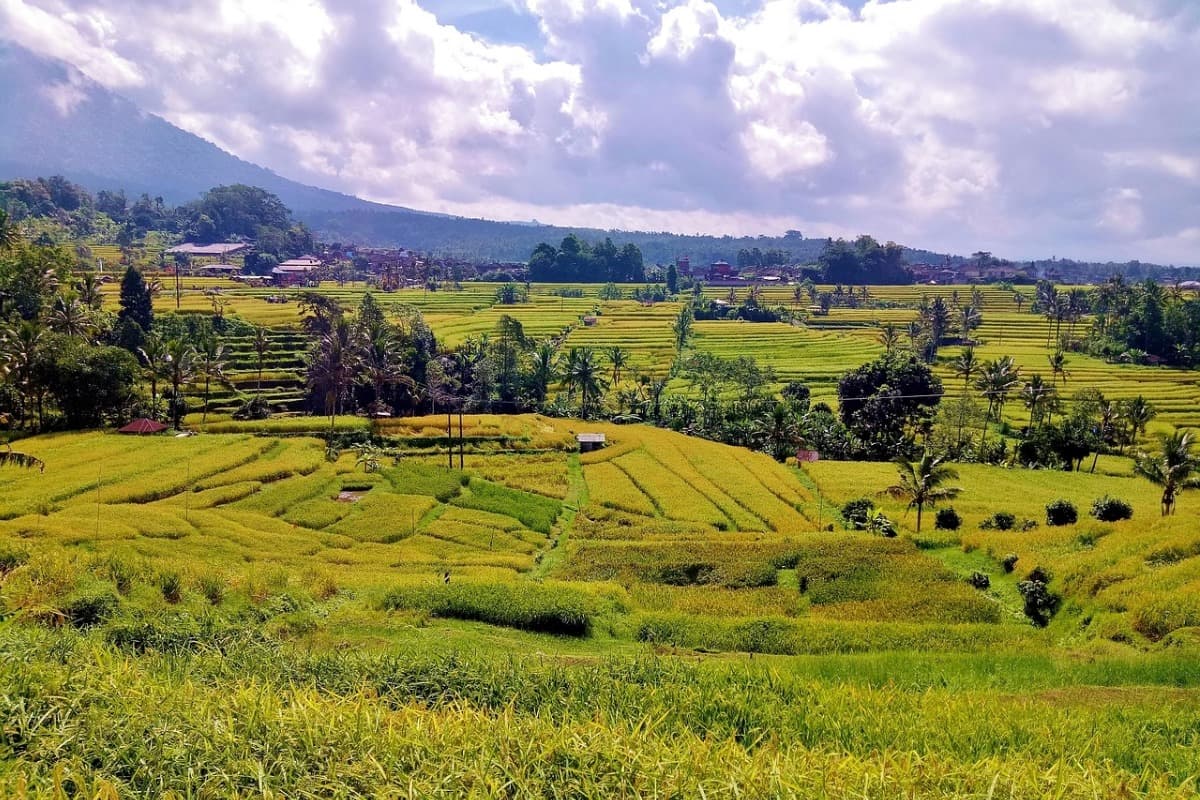
The stunning rice terrace Bali is more than just farmland, it’s a living work of art and a brilliant system of land conservation. These beautiful earthen steps, carved into Bali’s hillsides, are part of the ancient Subak tradition, which manages water sharing fairly and respectfully within the community.
Thanks to their breathtaking green landscapes, these terraces have also become some of the island’s most beloved natural attractions. If you’re looking to explore their beauty firsthand, this guide shares the most beautiful rice terraces in Bali and the best ways to experience them.
What Makes Bali’s Rice Terraces So Special?
Here are five fascinating reasons why the Bali rice terraces are so much more than just beautiful scenery.
- An Ancient, UNESCO-Recognized Water System
At the heart of these landscapes is the Subak irrigation system, a democratic and fair water-sharing method managed by farmers for over a thousand years. This remarkable tradition is so important it’s been designated a UNESCO World Cultural Heritage site. - Built on a Philosophy of Harmony
The terraces are a living example of the Balinese philosophy Tri Hita Karana, which seeks balance between the spiritual, human, and natural worlds. You’ll often see a small temple at the top of each irrigation channel, reflecting gratitude and harmony. - Naturally Artistic Landscapes
Unlike flat farmland, the best rice terraces in Bali follow the curves of the hills, creating mesmerizing geometric patterns. They look like a giant, green staircase woven into the land—a truly breathtaking sight. - Smart, Sustainable Farming
These stepped fields are an age-old solution to prevent soil erosion on slopes. They show how local wisdom can create productive land while protecting the environment—a perfect model of sustainable farming. - A Living Cultural Encounter
Visiting isn’t just about the view. You can often see farmers using traditional methods, from plowing with oxen to harvesting by hand. It’s a genuine glimpse into a way of life that has sustained Bali for generations.
Most Popular Rice Terraces in Bali
Tegallalang Rice Terrace
The Tegallalang rice terrace is Bali’s iconic, picture-perfect landscape, often seen on postcards and Instagram.
Located just 20 minutes from Ubud center, it features steep, green steps carved into a lush valley. The area is lively, with Bali swings, ziplines, and cliffside cafes adding to the vibe.
Be prepared for a small Tegalalang rice terrace entrance fee of IDR 25,000, plus separate parking. Activities like the swing or zipline cost around IDR 150,000–250,000, and you might be asked for a voluntary donation (IDR 5,000–10,000) when crossing some of the small bridges.
Jatiluwih Rice Terrace
In contrast, the Jatiluwih rice terrace offers vast, serene beauty. A UNESCO World Heritage site covering over 600 hectares in Tabanan, it feels peaceful, natural, and much less crowded.
Here you can take in sweeping views with Mount Batukaru in the distance and see the pristine Subak irrigation system in action. Entrance fees are IDR 15,000–25,000 for locals and IDR 50,000–75,000 for international visitors.
Activities You Can Do at Rice Terraces in Bali
- Trekking & Leisurely Walks
The best way to connect with the landscape is by walking along the paths winding through the paddies.
- In Jatiluwih: The trails are wide, gentle, and well-organized—perfect for a relaxed stroll with fresh mountain air.
- In Tegallalang: Expect a bit more adventure with steeper steps and narrow paths, ideal if you enjoy a more active walk.
- Snap Photos at Iconic Spots
The terraces are a paradise for photographers, with endless Bali photography spots. Many locations now feature beautiful setups like:
- The Bird’s Nest: A large, artistic bamboo nest perfect for a memorable photo.
- Viewing Decks: Wooden platforms that extend over the valley, offering unobstructed panoramic views.
- Fly on the Bali Swing
A must-try in Tegallalang! Strap into a giant swing and soar over the emerald-green valley. It’s an exhilarating rush paired with a breathtaking aerial view of the rice paddy fields. - Sip Coffee with a View
Take a break at one of the many cafes perched along the terraces. Enjoy a cup of local coffee or fresh coconut while soaking in the serene scenery—a perfect pause during your day of exploring Ubud attractions. - Go on a Cycling Tour
For a wider exploration, rent a bike or join a guided cycling tour, especially in expansive areas like Jatiluwih. Pedaling through villages and along field paths offers a unique, up-close perspective of rural Bali life.
Best Time to Visit Rice Terraces in Bali
- Based on the Planting Cycle (Rice Field Colors)
Balinese farmers follow a planting rhythm every three to four months, which means the landscape constantly changes.
- Lush Green Season
This period usually falls between March to May and September to November. The terraces are filled with vibrant green rice fields, creating a refreshing view that perfectly reflects Bali’s traditional terraced farming system. - Golden Harvest Season
Around June and December, the rice plants mature and turn golden yellow under the sun. This short window is ideal for warm, glowing photos and offers a beautiful contrast against the sky. - Post-Harvest Period (Less Ideal)
Late January and July are best avoided. After harvest, the terraces may look muddy or bare, with cut stalks remaining, which takes away from the iconic scenery of this UNESCO heritage site.
- Best Time of Day to Visit
- Morning (7:00 AM – 9:00 AM)
Early mornings are the sweet spot. The air feels cool, the sunlight is soft, and the terraces look peaceful before tour buses arrive. It’s the best moment to enjoy the landscape at its most serene. - Late Afternoon (4:00 PM – 6:00 PM)
As the sun begins to set, shadows and silhouettes appear across the terraces, creating a calm and romantic atmosphere. The heat has eased, making it more comfortable for walking and photography.
- Weather Considerations
- Dry Season (April – October)
This is the easiest and safest time to explore. The paths between the terraces stay dry and firm, and clear skies highlight the layered beauty of Bali’s rice fields. - Rainy Season (November – March)
The scenery is at its greenest and most fertile during this time, but trails can become slippery and muddy. Extra care is needed, especially when walking through narrow paths between the fields.
Best Ways to Reach Bali’s Rice Terraces
- Rent a Motorcycle (Best for Freedom)
For independent travelers, riding a motorbike is the most flexible option. You can stop whenever a scenic view catches your eye, take photos freely, and avoid heavy traffic.
Daily rental prices are usually affordable, starting from around IDR 80,000 to IDR 150,000.
Just make sure you hold an international driving license, always wear a helmet, and feel confident handling winding village roads. - Rent a Car with a Driver (Most Comfortable)
This is a great choice for families, couples, or small groups who want a relaxed journey. You won’t need to worry about directions or traffic, and many local drivers are happy to share insights or suggest hidden viewpoints along the way. Expect prices to range from IDR 500,000 to IDR 800,000 for a full 8–10 hour day, including fuel. - Use Ride-Hailing Apps (Grab or Gojek)
Online taxis are convenient for short trips, such as traveling from central Ubud to nearby terraces like Tegallalang. Prices are clear, and booking is quick through your phone.
Keep in mind that some tourist areas restrict pickups by online taxis, so while drop-offs are usually fine, returning may require arranging a different ride. - Join an Organized Tour (Most Hassle-Free)
If you prefer everything planned for you, joining a tour is an easy solution. Many packages combine rice terraces with temples, waterfalls, or lunch stops. This option suits travelers who want a smooth, structured day without worrying about logistics.
Tips for Visiting Rice Terraces in Bali
- Get There Early
Aim to arrive between 7:00 and 8:00 in the morning. The air is cooler, the light is softer for photos, and you’ll enjoy the terraces before tour buses start filling the paths. - Wear the Right Shoes
Rice field trails can be narrow, uneven, and slippery, especially after rain. Comfortable sneakers or hiking sandals with good grip will make the walk much safer and more enjoyable. Regular flip-flops are best avoided if you plan to explore deeper into the fields. - Bring Small Cash
Besides the main entrance fee, some farmers may ask for a small donation to cross bamboo bridges or use certain paths. Having small bills also comes in handy for buying fresh coconuts or local snacks from roadside stalls. - Be Kind to the Farmers and Nature
These terraces are part of daily life, not just a photo spot. Stay on the paths, avoid stepping on rice plants, and always ask before photographing farmers up close. Keep the area clean and help preserve the beauty for everyone who comes after you.
Conclusion
Exploring a rice terrace Bali experience is more than just sightseeing. It’s a chance to witness living heritage, timeless farming wisdom, and landscapes shaped by harmony between people and nature. Walking through emerald fields in Jatiluwih or capturing the iconic curves of Tegallalang reveals a living landscape shaped by tradition, balance, and deep respect for nature. These moments offer a quiet connection to Bali’s soul that lingers long after the journey ends.
After immersing yourself in the cool highlands, complete the day with a coastal escape. Unwind by the ocean at Tropical Temptation Beach Club, or plan ahead and make a reservation through the official website to enjoy Bali from rice terraces to sea views, all in one unforgettable trip.